
Think of hiking and you’re probably envisaging beautiful sunny days with amazing views from soaring mountain paths.
So why would anyone hike in Guatemala’s rainy season?
Here at Quetzaltrekkers, we run hikes all year to raise money for Edelac’s school and safe house. The show must go on, literally rain or shine.
When I first arrived as a volunteer guide in July last year, the rainy season was already in full swing and most trips involved some form of precipitation, even if only for a few hours.
After taking a five-month break to go overland from Morocco to Angola, I returned to Quetzaltrekkers in April, full of lofty expectations of how much nicer and easier it would be to hike in the dry season.
And guess what? It wasn’t what I’d expected. This is what I learned.
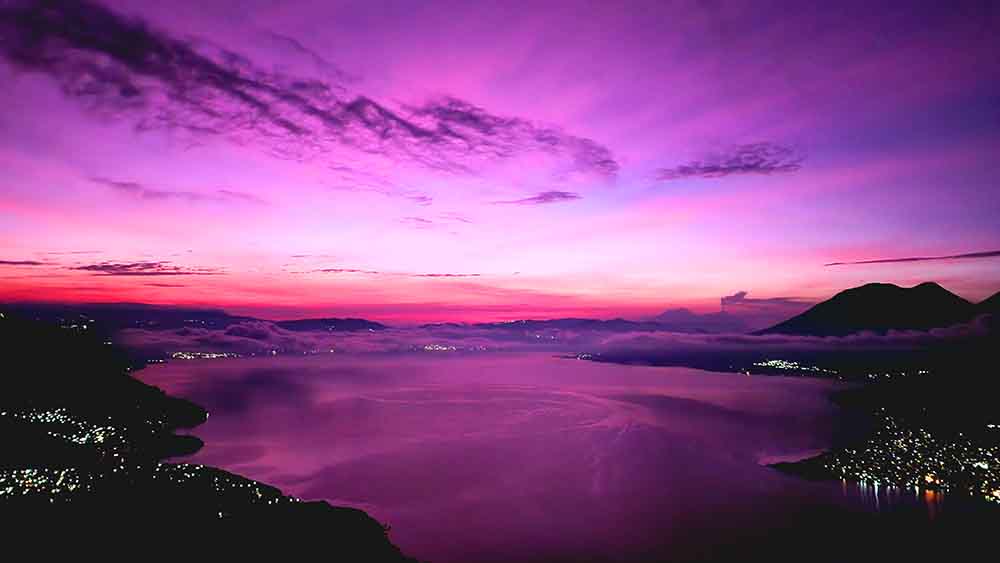
Wet season sunrises are better
My first dry-season mirador sunrise over Lake Atitlan was rained out.
Our clients, it turned out, had been nervously listening to the rain drum on the roof of Don Pedro’s homestay in the early hours and were visibly relieved when we announced we weren’t going to leave as planned at 4am.
(I believe my comment on the guides’ group chat was along the lines of “Dry season my ass!”)
And although most sunrises in the dry season aren’t disturbed by precipitation, they’re just not as colourful or nice as the wet season ones had been. (The one in the photo above was taken in early October last year.)
It turns out cloud is a key part of what makes a sunrise truly amazing, especially when the dawn lights up the underside of the clouds.
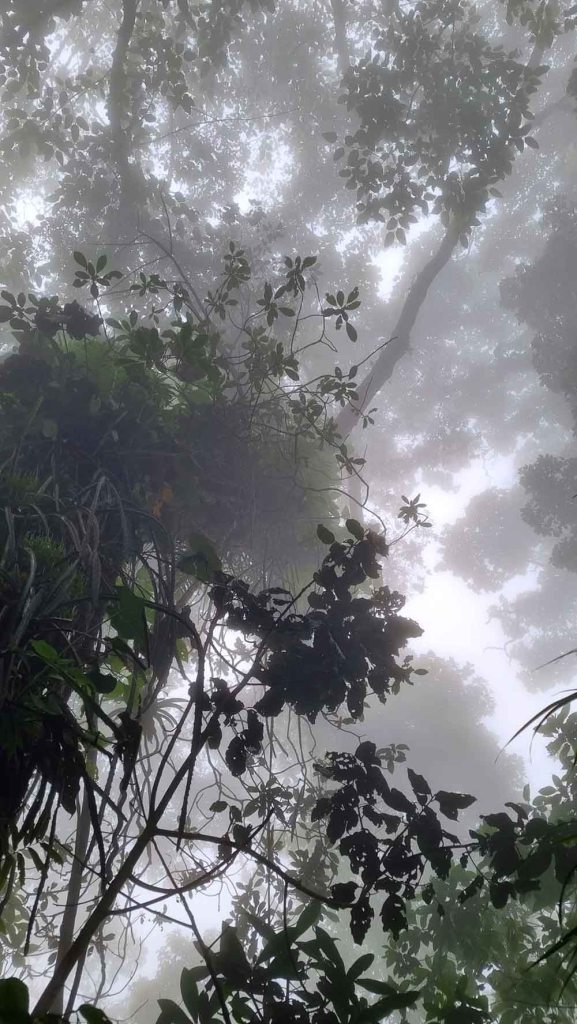
Cloud forests look best in cloud
On my first hike back, I was surprised how dull and dusty the forests seemed compared to the rainy season.
At the end of the dry season, drought shock meant the trees were ditching leaves to reduce their water requirements and instead of finding dry paths that offered more grip than their muddy rainy-season counterparts, a deep carpet of leaves meant they required rather more care than I’d expected.
And simply put, the cloud forests we walk through, with their tree boughs laden with vivid green epiphytes, are just that much more spectacular in the rainy season.
The silver lining to hiking in the rain was that the jungle sections almost glowed with lush greeness.
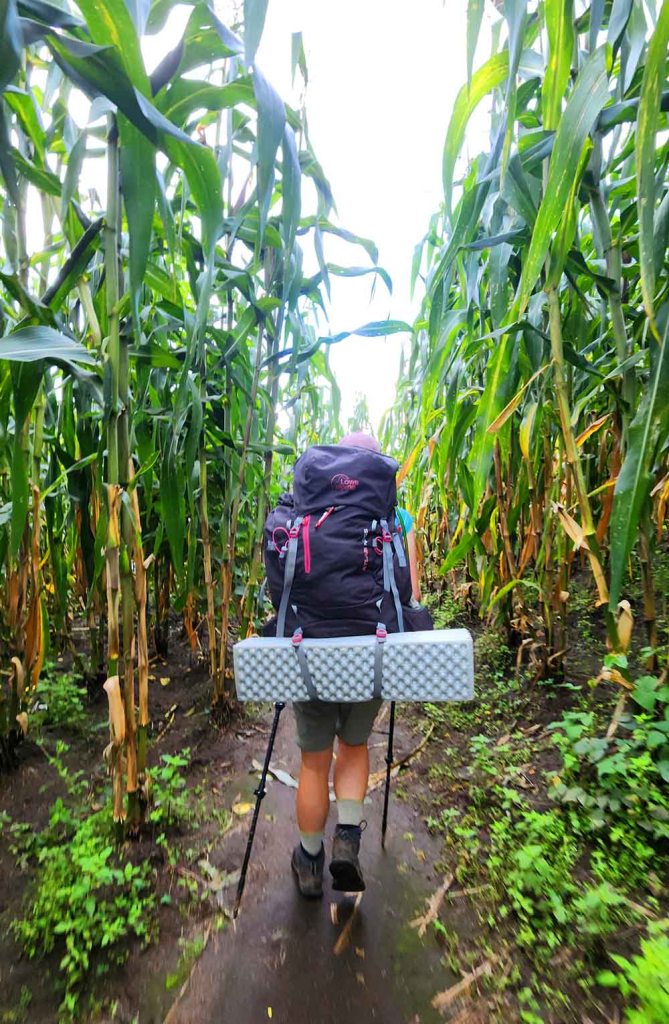
The cornfields are lush instead of dusty
In retrospect I guess it should have been obvious, but the rainy season is when all the crops are grown.
My experience of walking through soaring corn fields – where the stalks seem to grow a foot between visits – was in stark contrast to the dry season, where the same fields were just a few withered corn stalks, waiting for the rains to return.
And those fields were dusty, and rather than being able to chat to the person you’re hiking near, we had to be far enough back – a gap I used to refer to as “dustance” – not to be choking on the hiker in front’s dust.
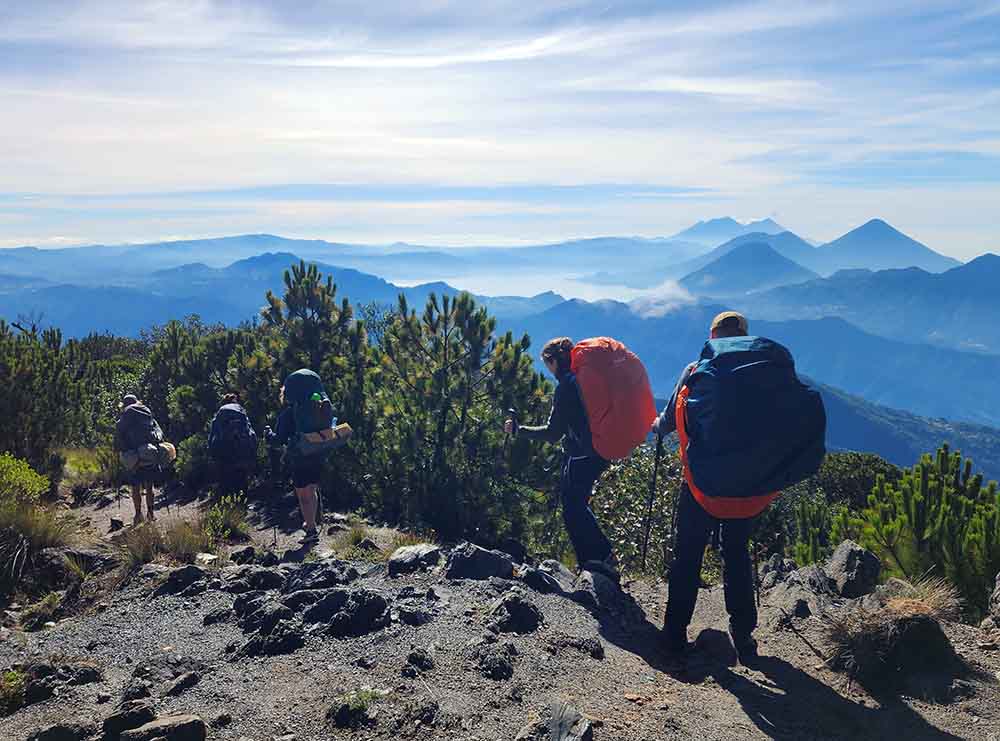
The groups are smaller
We’re in the unbelievably fortunate situation for our dry season treks to Lake Atitlan usually being fully booked weeks in advance.
Understandably enough, numbers start to decrease once the rains begin, just as overall tourism numbers in Guatemala go down. There are a few hikes where instead of having 20 clients (and more on the waitlist) we’d go out with only four or five.
One of my favourite parts of being a volunteer guide is that the people who come on our hikes tend to be interesting people and the smaller group means you get a better chance to get to know them.
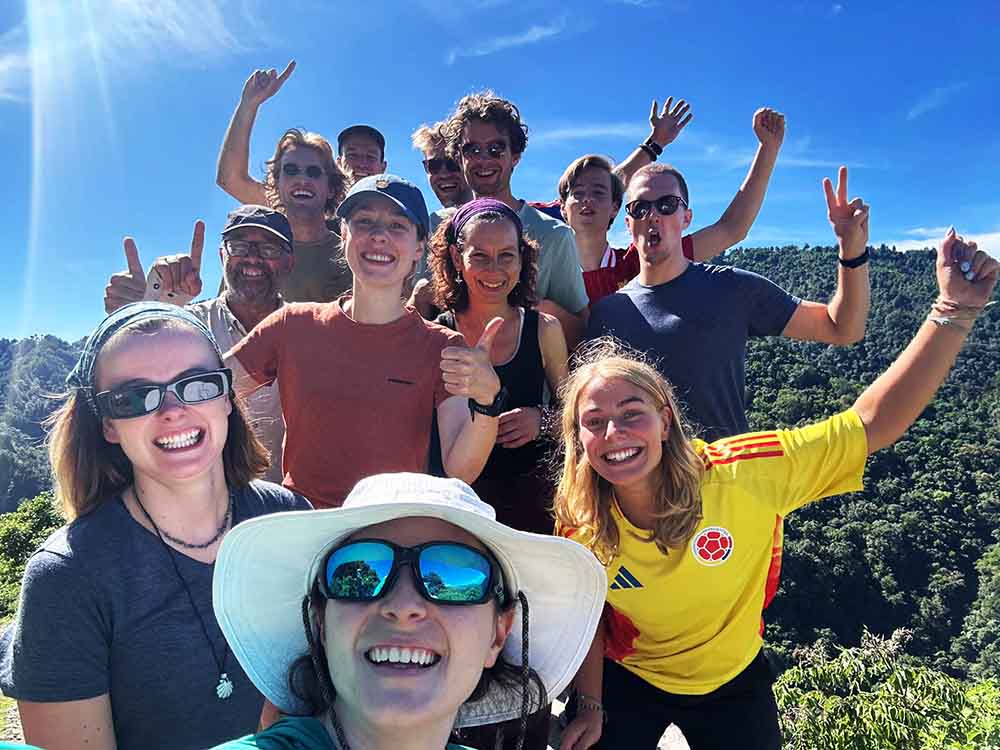
The people are more spontaneous
And this one was one I kind of expected: when a trip is booked out weeks in advance, those trips are made up of Type-A people who plan things ahead of time.
There’s nothing wrong with that, but my own travel style is to wing it. If you like somewhere, you just decide to stay a few more days. If the place sucks, call time early and leave.
It’s noticeable in the wet season that the personality types veer towards the spontaneous, making them more likely to be kindred spirits with me.
 Quetzaltrekkers Guides