
El Planeta sufre y llora por la contaminacion, cancer de toda la nacion.
Es deber del ciudadano, de cada hombre, cada nino, cada mujer, cada nina cuidar a su ambiente mas cercano.
No ensuciemos mas los mares ni los bosques, ni los rios, ni los lagos porque no tenemos otro mundo a donde ir o vivir
Autor Yeison Vinicio Maldonado – Sexto primaria EDELAC
Guatemala: A country of extraordinary natural wealth: 14 eco-regions, 37 volcanoes, 38 river basins, over 8,000 plant species, 1,250 animal species, and the world’s highest diversity of lungless salamanders (41 species).
Graced with thirty-eight rivers that descend from the highlands and flow toward the Pacific Ocean, the Caribbean Sea, and the Gulf of Mexico. These waterways should be lifelines of biodiversity and livelihood, yet it is estimated that 95% of them are polluted.
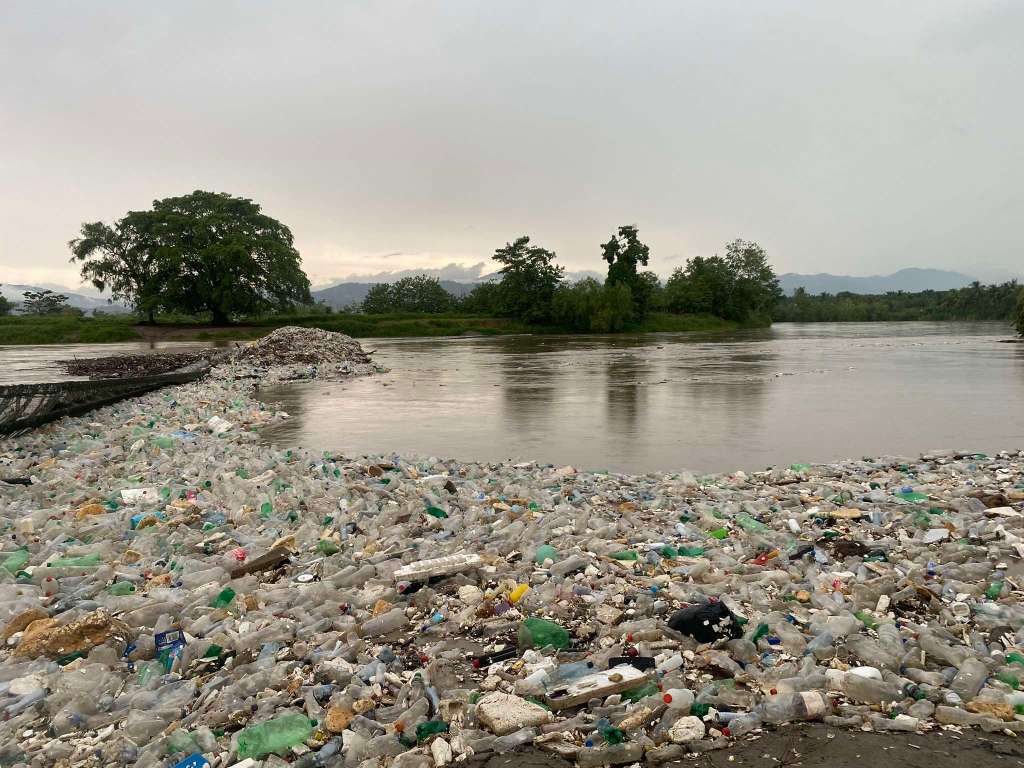
The longest of these rivers, the Río Motagua, runs 486 kilometers from the western highlands to the Gulf of Honduras, crossing 96 municipalities along its path. Historically, the Motagua was famous for its deposits of jadeite, a rare stone treasured by the Maya long before the Spanish arrived and used for jewelry, tools, ceremonial objects, and intricate carvings. Today, however, the river is known for something far less precious: plastic. Each year, an estimated 10 to 30 million kilograms of plastic pass through the Motagua, carrying roughly 2% of all global river-borne plastic pollution into the ocean. This is believed to be ten times more plastic than all the rivers in the United States combined contribute to the sea.
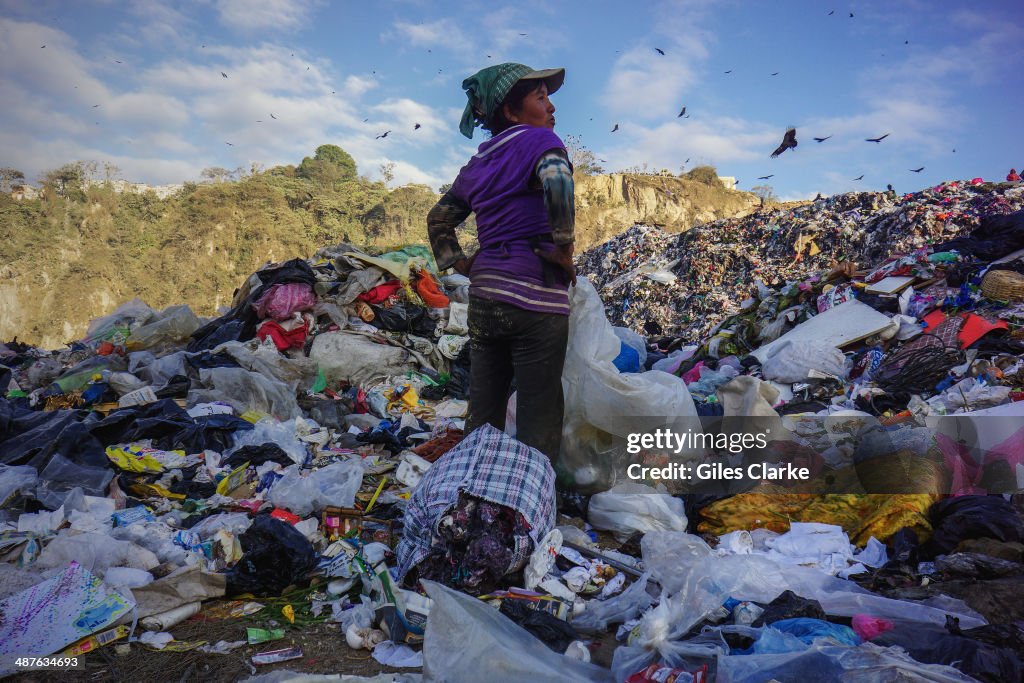
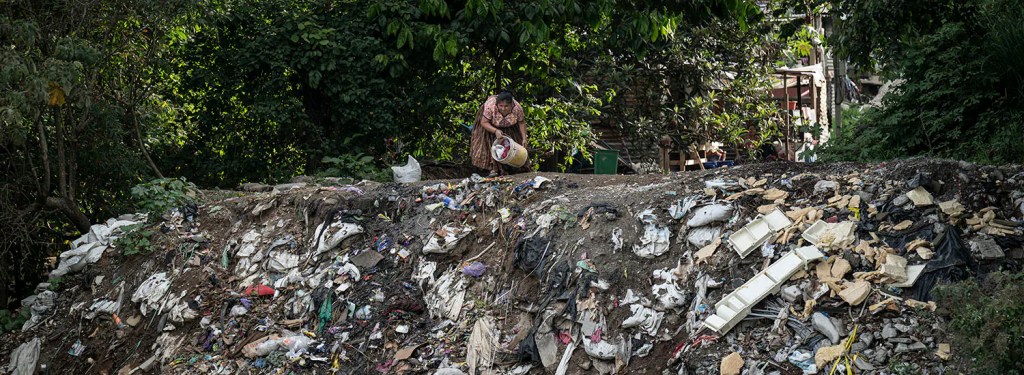
A large portion of this waste originates in Guatemala City. Most of the capital’s garbage is transported to an enormous landfill located at the very headwaters of the Río Las Vacas. During heavy rains, sections of this landfill collapse and wash directly into the river. At the same time, many communities along the river lack consistent garbage collection services, leaving residents with few options other than disposing of waste directly into the water through illegal dumping.
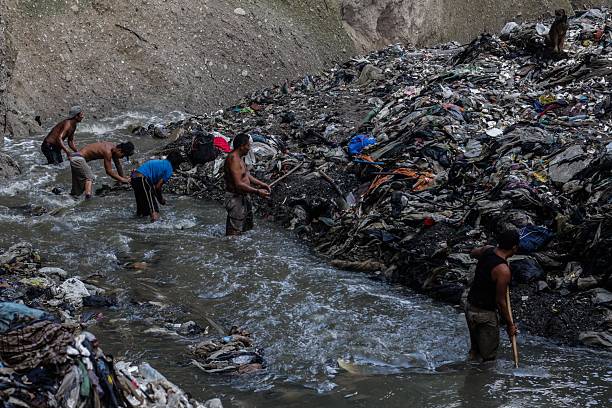
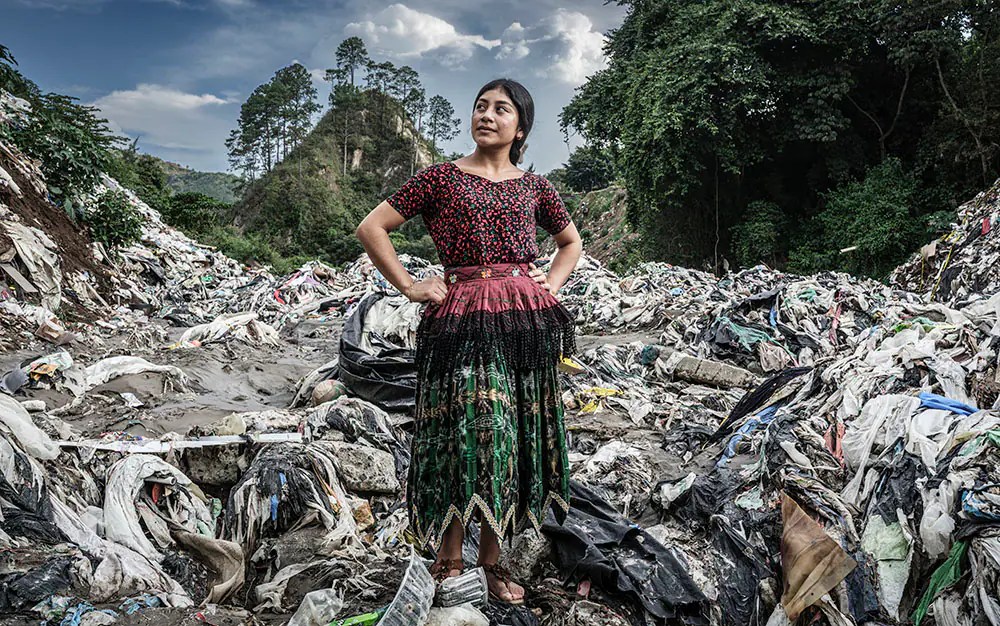
In an interview with The Telegraph, a woman named Rosa, who lives along the river, explained the reality plainly:
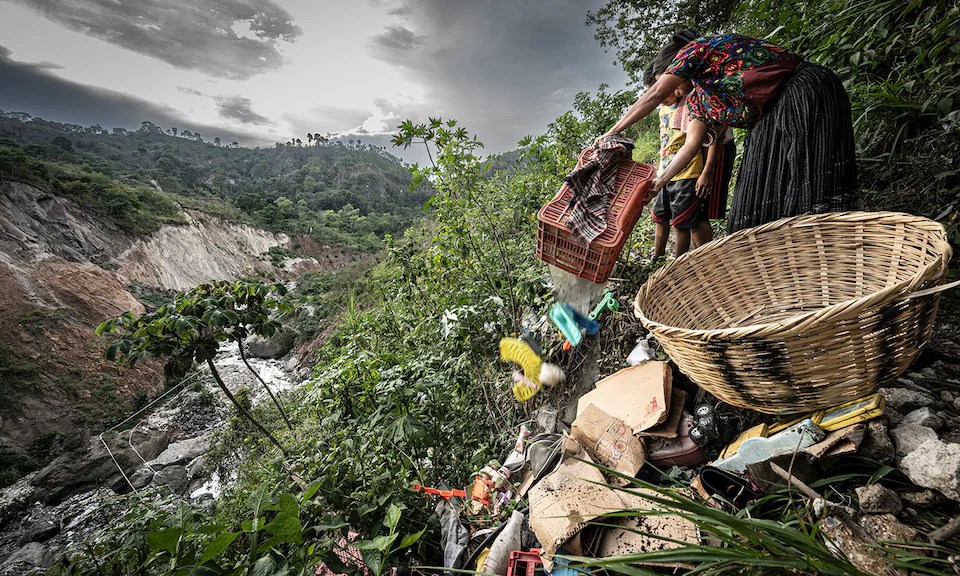
“This is what we have always done. Most of this stuff is ours, but we’ve gathered a few things from our neighbours as well. Throwing it into the river valley is the easiest thing. It’s gone. We don’t have to think about it.”
She added that bringing rubbish to designated dump sites often feels pointless, as much of it ends up in the river system anyway. Communities that once relied on these waters for fishing now find it nearly impossible for aquatic life to survive there.
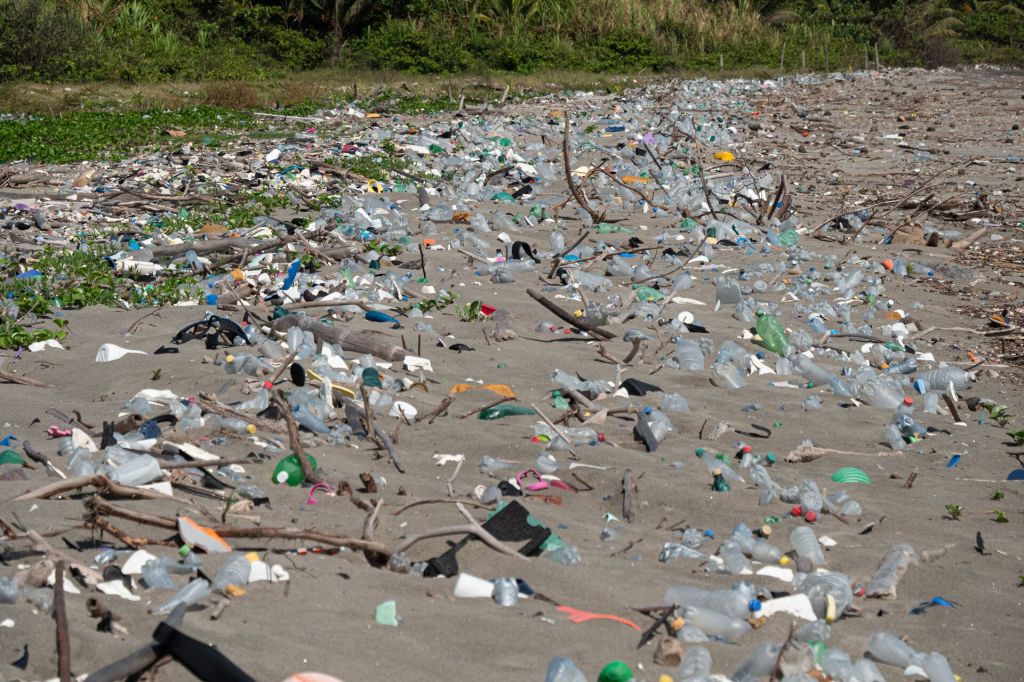
The river carries this debris downstream until it reaches a hydropower dam. During flash floods, massive quantities of trash spill over the dam and continue into the Río Motagua, which eventually empties into the Caribbean Sea. The consequences are devastating: long stretches of riverbank and Caribbean coastline blanketed in layers of plastic waste.
So how did plastics become so deeply embedded in Guatemalan life?
A visit to any local market offers a clue. Purchases almost always come wrapped in one or more plastic bags. Stalls line the streets selling everyday goods, and many shops known as Casas de Plástico specialize entirely in plastic containers, cups, bowls, bags, and household items. Plastics first appeared in markets about fifty years ago as inexpensive, practical alternatives to traditional materials. By 1975, plastic production had expanded into the industrial sector and quickly accelerated. Like elsewhere in the world, plastics became dominant because they were far cheaper to produce and purchase than metal, glass, or paper.
In 2002, Guatemala’s plastics industry was valued at $82.2 million USD. By 2024, it had grown more than sevenfold to approximately $593 million USD. Today, plastics are not only part of daily life but also a significant driver of the national economy, providing 27,000 direct jobs and 100,000 indirect jobs, while contributing substantially to GDP and technological development. So intertwined with makes solutions to plastic pollution much more complex.
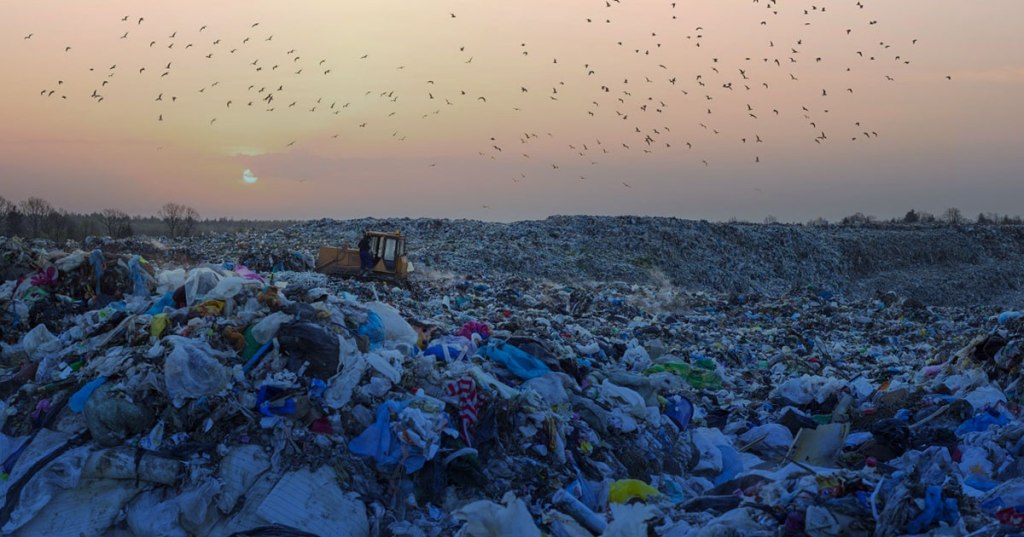
However, waste management infrastructure has not expanded at the same pace. A 2018 census revealed that only 41.8% of Guatemalans used municipal or private garbage collection services. Of the country’s 340 municipalities, only 189 have trash processing facilities, and just 60% of those are functioning. As a result, 43% of households burn their garbage, releasing greenhouse gases and toxic substances such as carbon dioxide, black carbon, volatile organic compounds, and polycyclic aromatic hydrocarbons into the air.
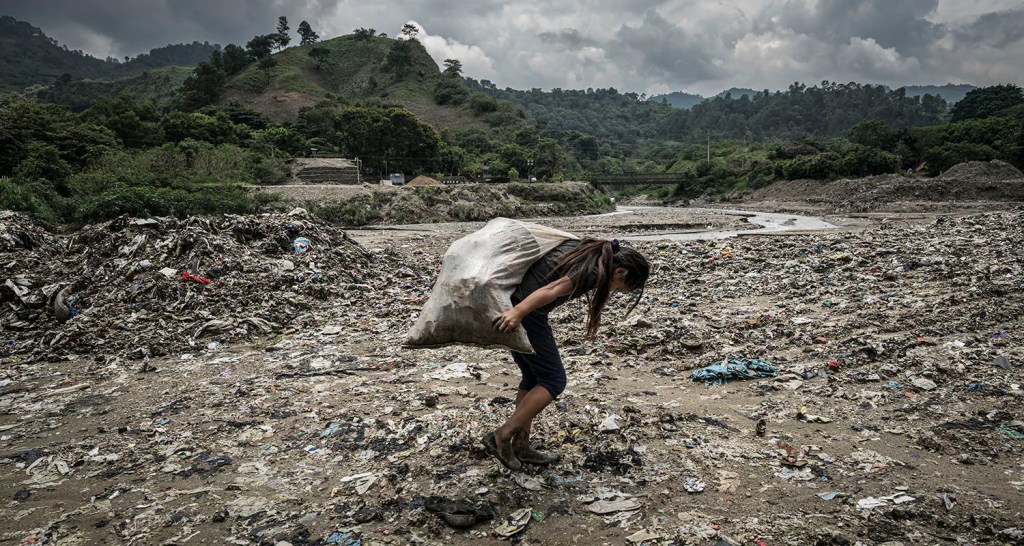
Women and children are disproportionately affected, as they spend more time in the home environment where this pollution accumulates. Exposure to fine particulate matter (PM2.5) is estimated to cause 4,105 deaths annually, 2,420 years of healthy life lost to disability, and $1.4 billion USD in health damages each year.
In September 2019, the Guatemalan government announced a ban on single-use plastic bags and other disposable plastic products. Then-president Jimmy Morales declared, “Guatemala says no to plastic. It’s time to change our form of consumption, for our nation and the future of our children.” The following administration repealed the measure, but many citizens and organizations have continued working toward solutions.
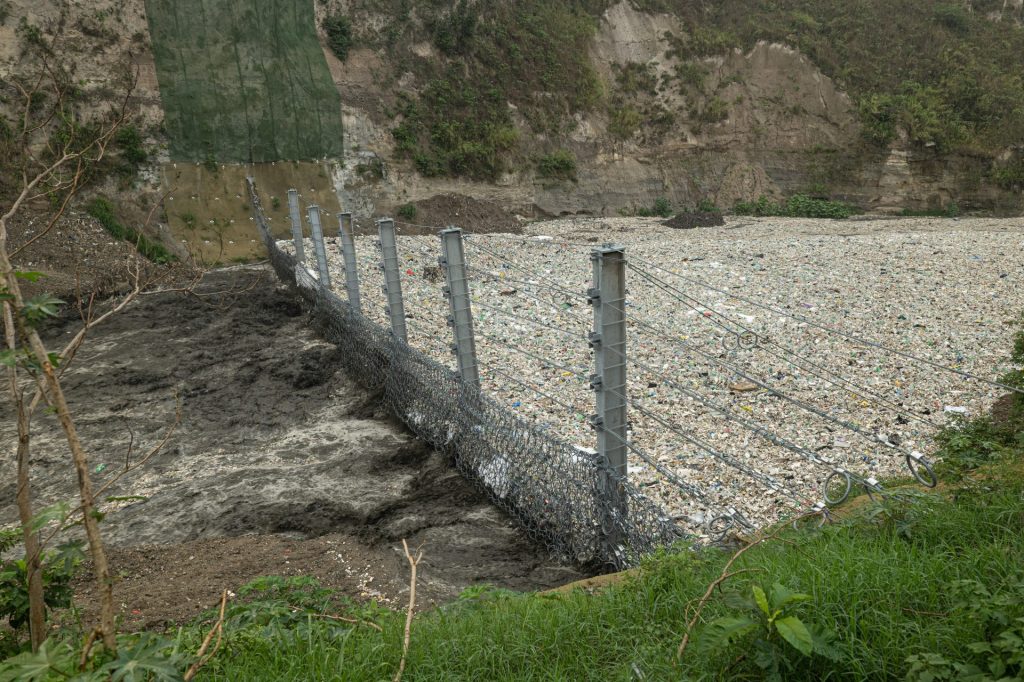
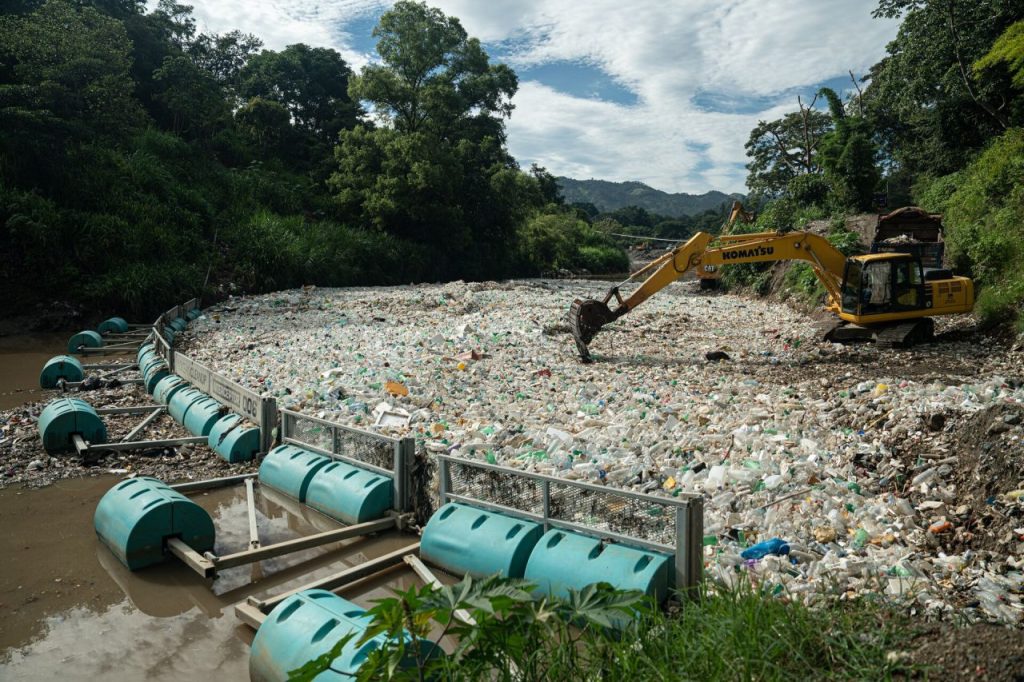
One of the most visible efforts comes from The Ocean Cleanup, a Netherlands-based nonprofit founded by Boyan Slat. In 2022 a trash fence was put in Las Vacas to stop the trash from going into the Motagua but this eventually failed. In 2023 an updated interceptor was installed, and in 2025 another was placed on the lower Motagua near El Quetzalito. At the Las Vacas site alone, the site manager reported removing 33 truckloads of waste in just a few hours. These systems now prevent enormous amounts of plastic from reaching the Caribbean and threatening the Mesoamerican Reef, the second-largest coral reef system in the world.
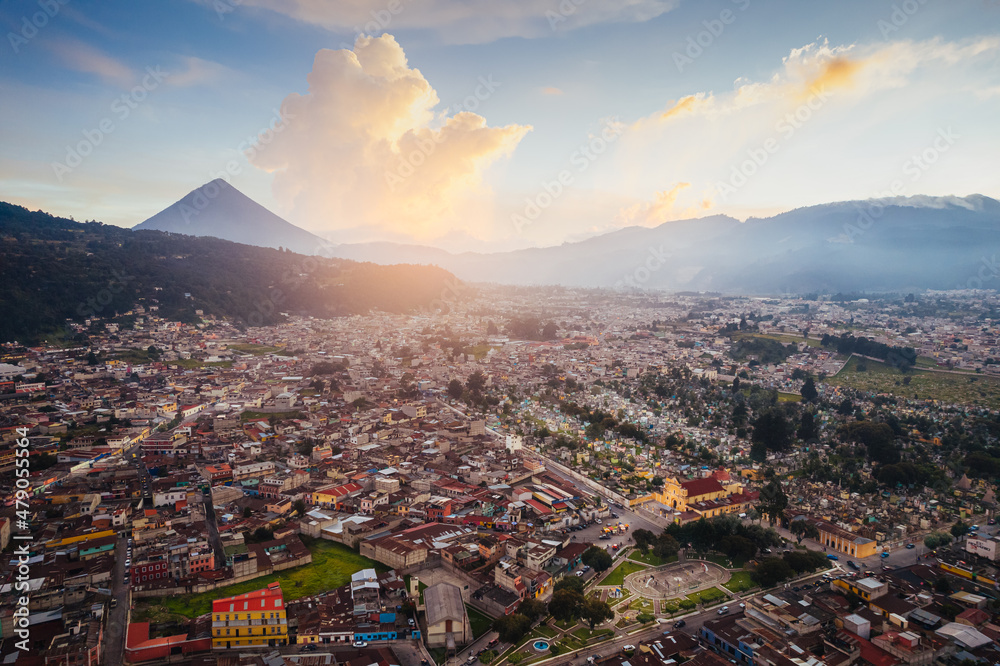
Here in Xela, waste is taken to the Basurero Municipal, located beside Santa María volcano. On many of the hikes we go on, we see lots of trash littered along the way. While high-income countries often generate more waste per capita, developing countries often lack the systems and education to manage, collect, and dispose of it, causing it to accumulate in rivers, streets, and natural landscapes. Between 2016 and 2018, Quetzaltenango faced one of its worst garbage crises, contaminating water sources and even causing prolonged power outages when debris such as mattresses, tires, and garbage bags clogged a hydroelectric dam and burned out a generator.
In response, local organizations stepped in. Ecotips, founded by Carol Sosa and Daniel de León, promotes recycling through community “Reciclatones” that raise funds for rescued animals. Their app helps residents sort waste correctly and arrange home collection, rewarding users with discounts at local businesses rather than cash. Volunteers continue developing the project in hopes of one day opening a dedicated recycling warehouse.
This initiative is connected to Bit Planeta Verde, a platform that promotes green entrepreneurship and environmental volunteering throughout Guatemala, born from the realization that many young people are eager to change habits for the benefit of the environment.
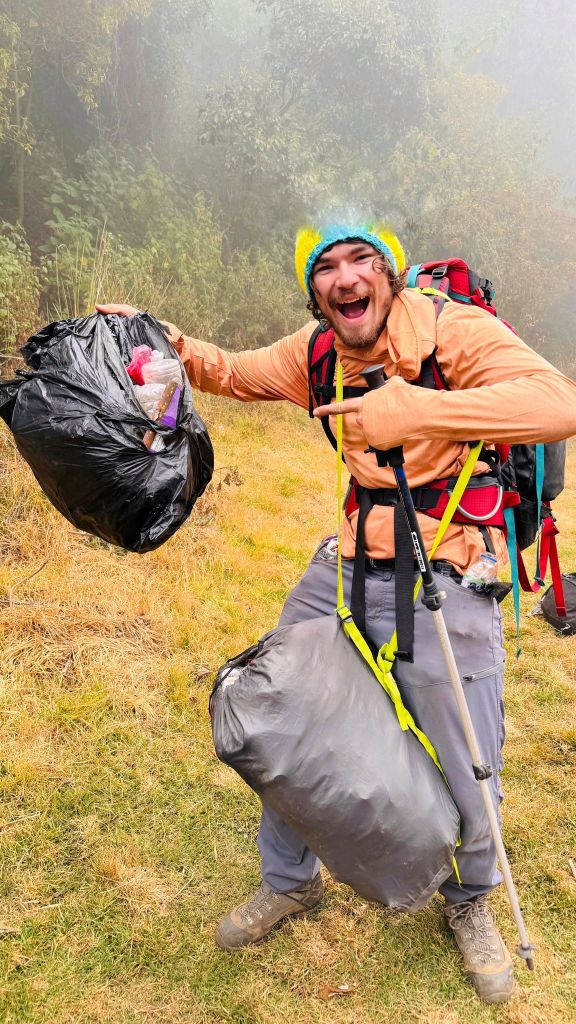
So, if you come to hike with us, feel free to ask for an extra bag and help carry a little trash off the mountain. It’s a small action, but part of a much larger story about protecting the extraordinary landscapes that make Guatemala so unique.
Want to learn more?
Check out these videos and articles
Santa Maria Dump https://www.facebook.com/ChapinGuate502/videos/sobreviviendo-en-el-basurero-a-orillas-del-volcan-santa-maria-en-quetzaltenango/1045788895568749/
Communities along las vacas
Plastic Pollution via Ocean Cleanup
https://www.youtube.com/watch?v=DZ32lSQjWU0
Ocean Cleanup Interceptors
https://theoceancleanup.com/updates/the-ocean-cleanup-makes-biggest-ever-river-catch-in-guatemala/
Emissions released from burning waste https://ecolectivosguatemala.org/wp-content/uploads/2022/12/71_Bardales_Royal-Society-of-Chemistry-2022.pdf
Photos from Guatemala City Dump https://www.gettyimages.com.mx/fotos/guatemala-city-dump
 Quetzaltrekkers Guides