
Arriving at Todos Santos at any time of year always feels otherworldly.
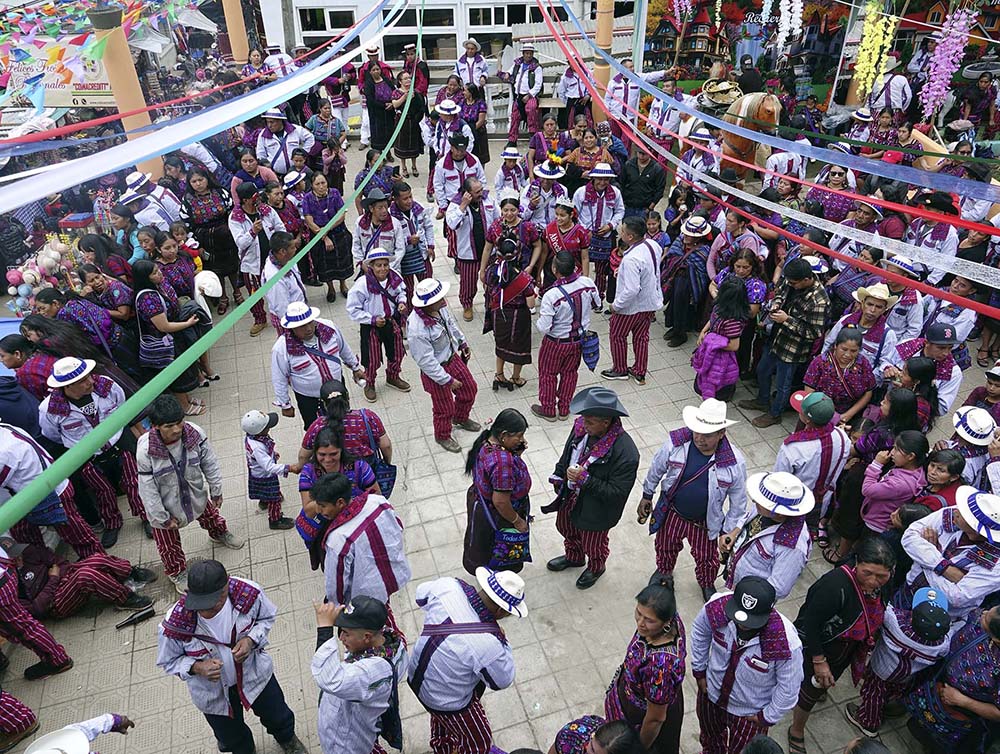
The men of the town still dress in traditional attire, with red striped trousers and blue-and-white striped shirts with wide embroidered collars.
But arriving in time for el Día de Todos Santos (All Saints Day) and el Día de los Muertos (day of the dead), and the horse racing that is at the centre of the town’s most famous annual celebration – increases that tenfold.
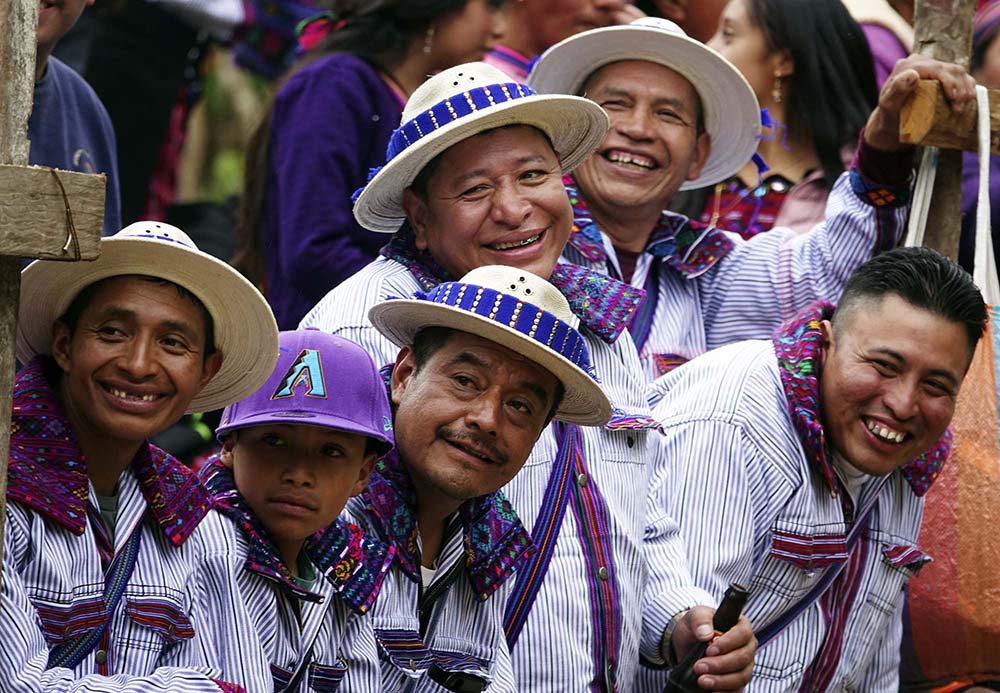
It’s why November 1st and 2nd is one of the few times of the year when the Quetzaltrekkers office closes down so all the guides can experience one of Guatemala’s most amazing and colourful festivals.
For me, the best way to experience it is via our special Día de los Muertos festival hike which goes through the altiplano using ancient trails before finally arriving in Todos Santos on the day of the festival of the same name.
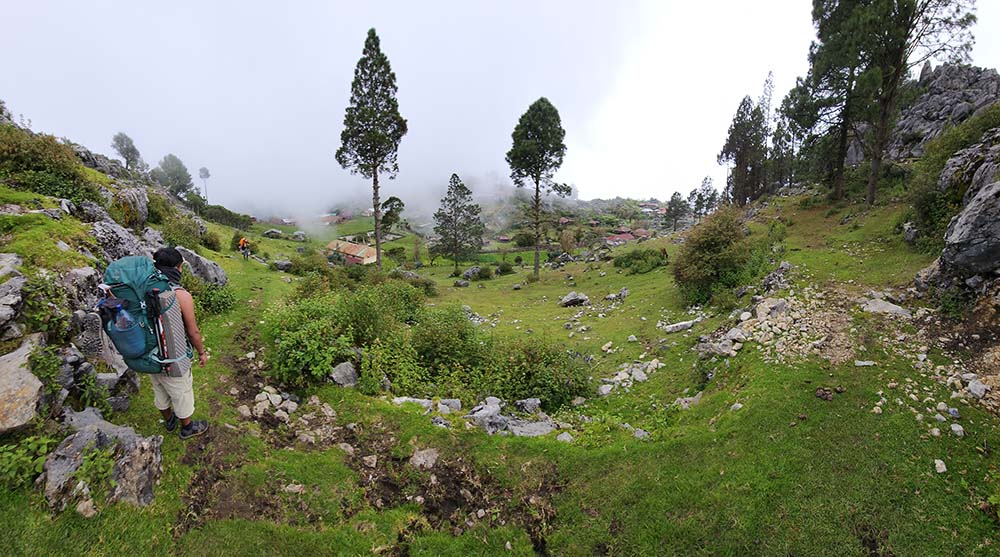
This area was the site of some of the worst atrocities by the military during the armed conflict that raged from 1960 to 1996. Entire villages were massacred.
This was a time when speaking native Mayan dialects and wearing traditional clothing were hazardous acts, particularly for men.
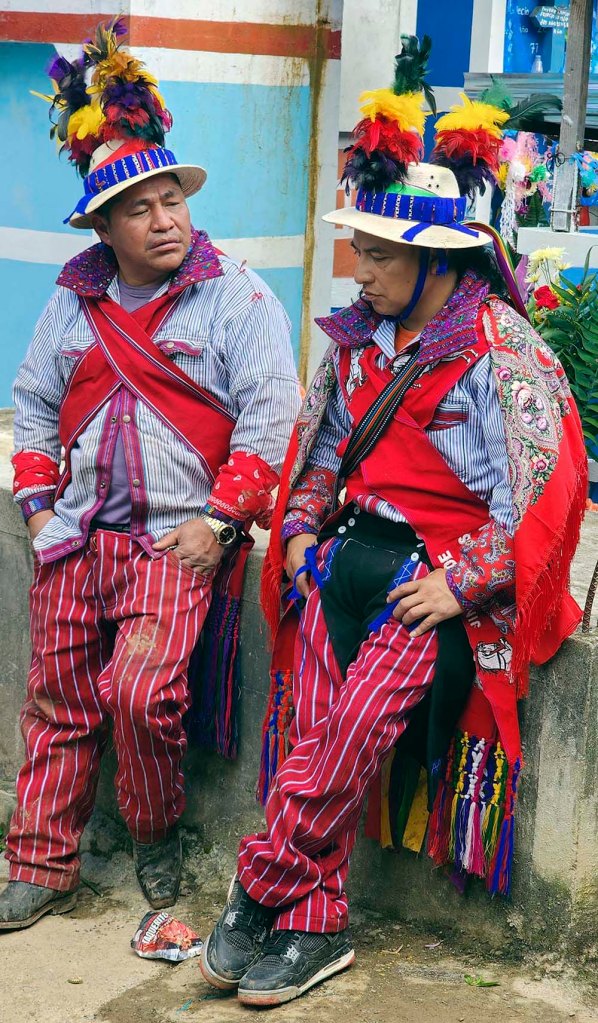
So it says volumes that unlike the cowboy attire sported by men throughout most of rural Guatemala, the continued use of traditional clothing and of the Mam language hints at the locals’ resilience.
As if to reflect the importance of the festival, the men’s usual colourful attire ramps up several levels, with feathered plumes and long colourful ribbons added to their hats and scarlet red sashes across their chests.
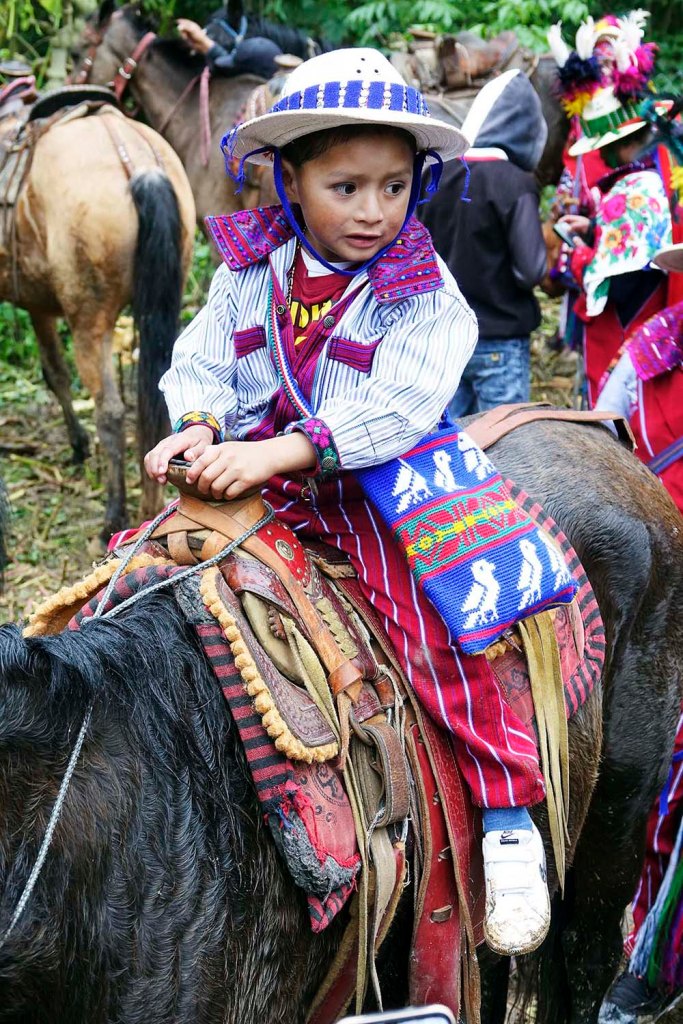
The festival actually begins the evening before, with the families of those planning to race horses the following day hosting house parties at which passersby are welcome. The mood is exuberant, and pretty drunken but amazingly good natured.
But that’s nothing compared to the next day, when people come from all the villages around to dance in the main square and to watch the horse races.
The races themselves are fairly informal: there’s a short stretch of road which is covered in sand and various groups of men racing up and down.
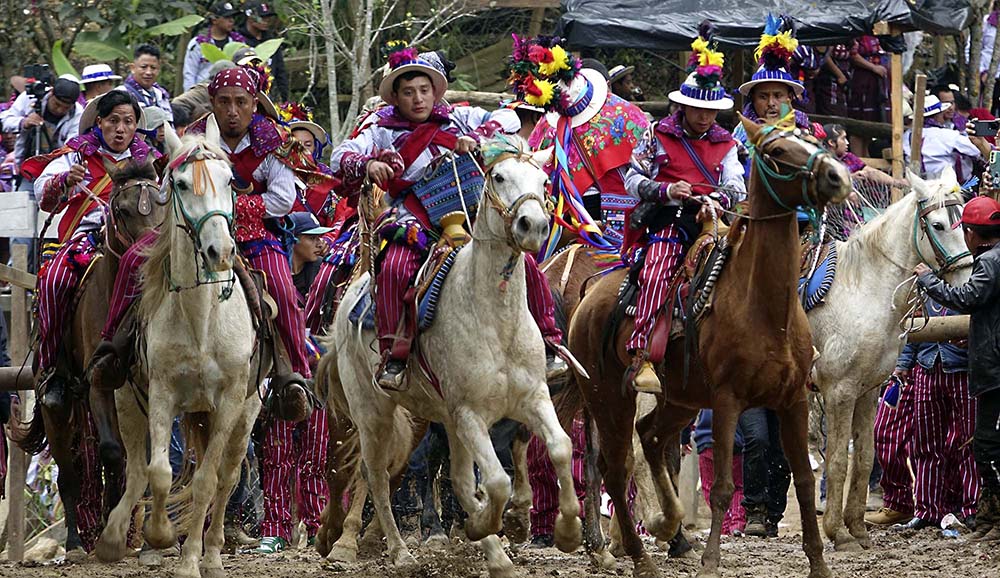
There’s no starting gun or finish line, but kudos certainly seems to be awarded for those who ride without using their hands and while very very drunk.
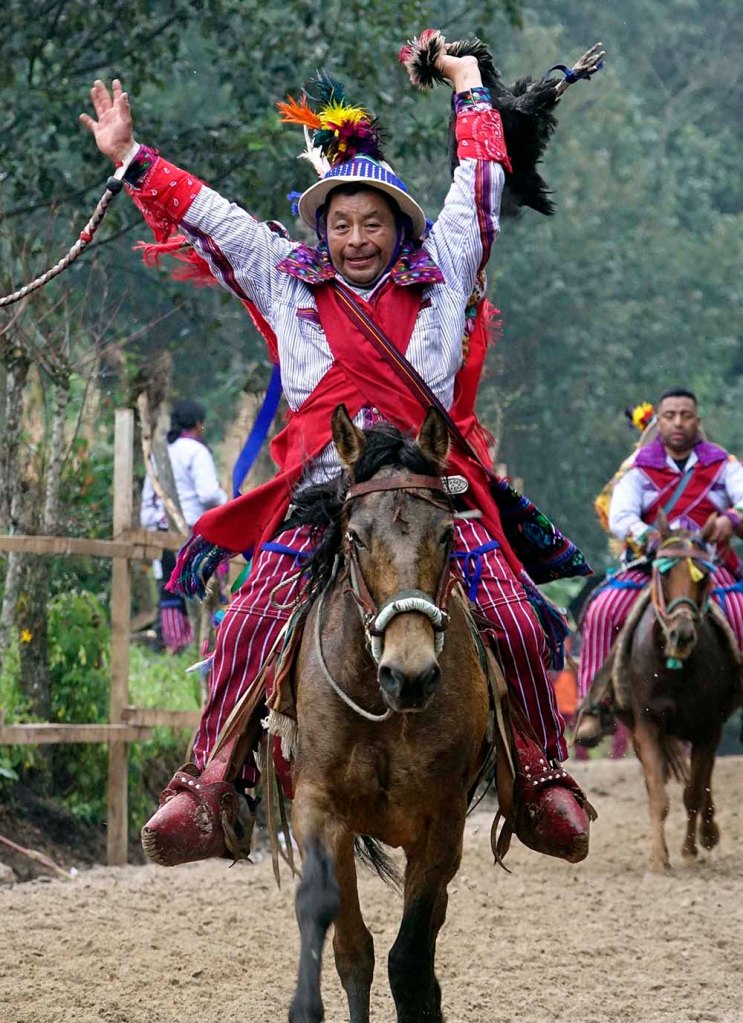
The mood is amazing and friendly, with the locals paying little attention to all the added extranjeros in their midst.
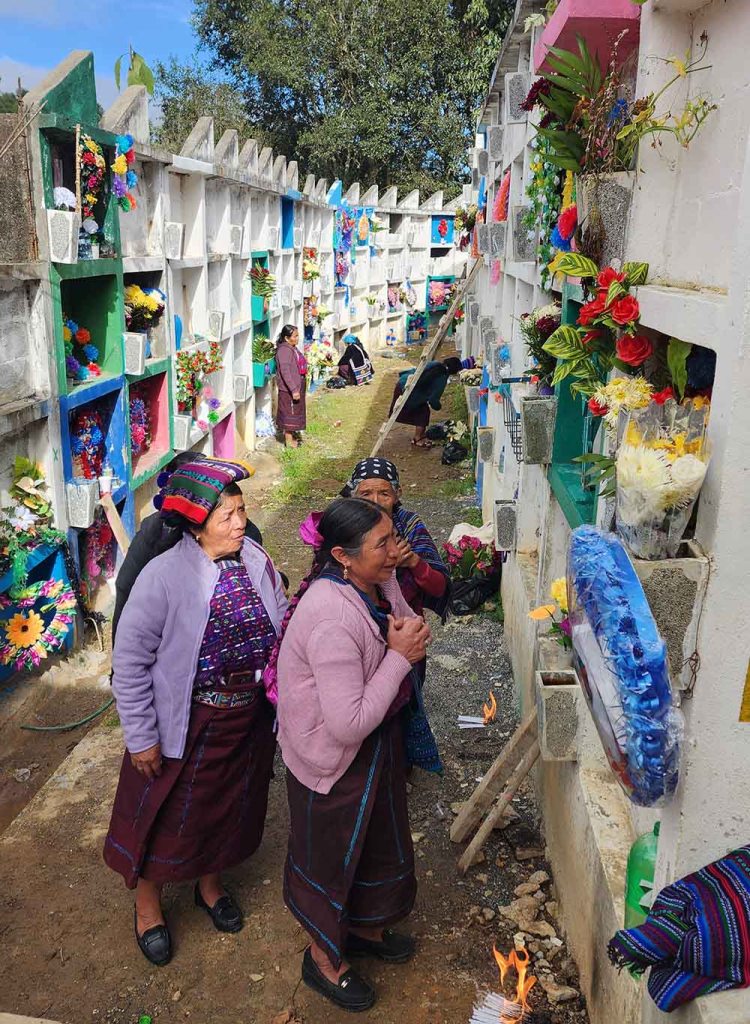
The next morning is yet another part of the festival, with people going to the town’s cemetery to commemorate the dead. Unlike the dialed-down way grief is expressed in Western countries, here loss is expressed loudly and publically.
Then everyone makes their way back to where they come from, waiting for the party to resume next year.

